
When a Cuisine Finds a Universal Language: How Territory Becomes a Meeting Point Between Cultures
ARCA Tulum · 9 de septiembre de 2026
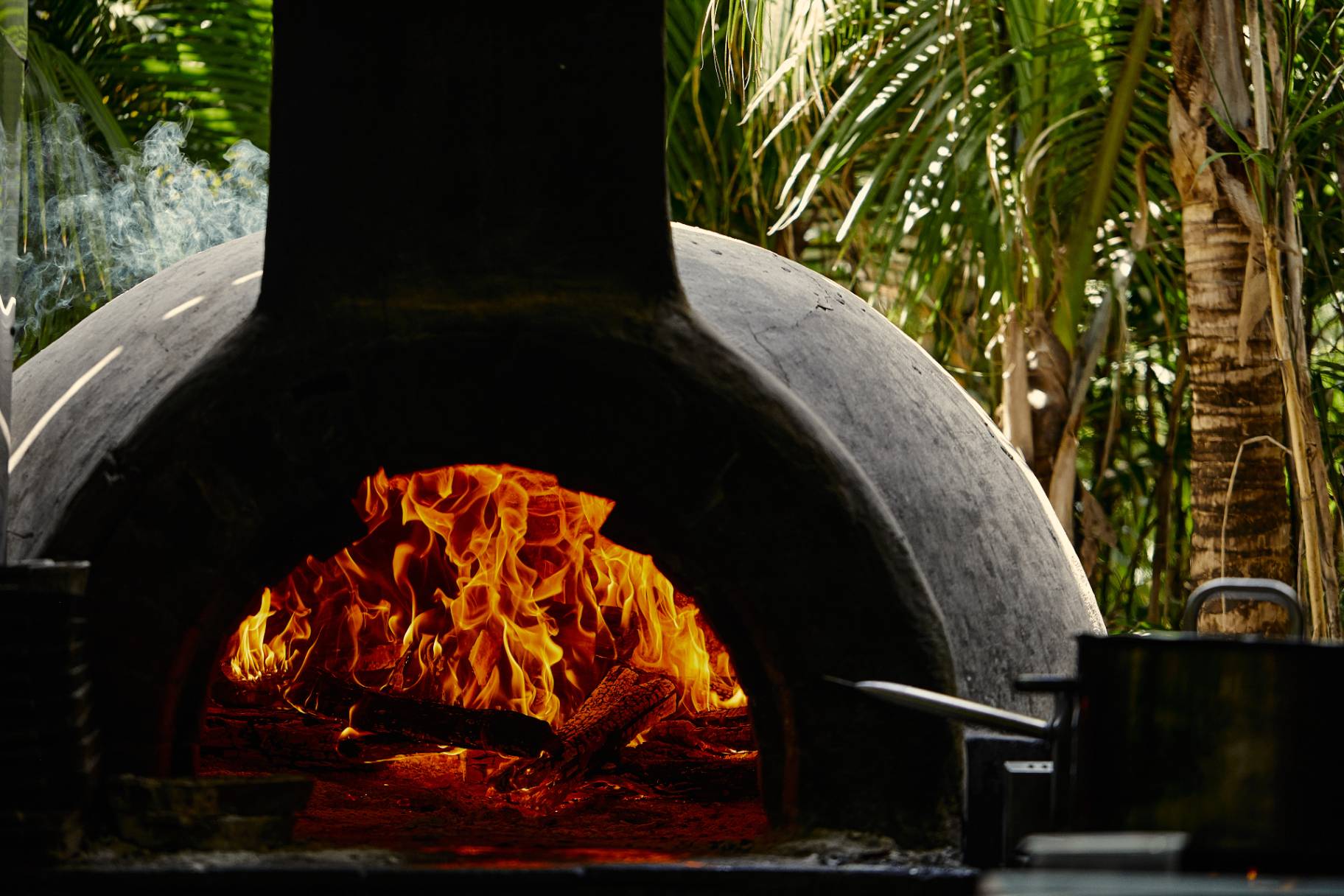
In today's most influential restaurants, international recognition rarely comes from making cuisine more global. It comes from expressing a place with such authenticity that diners from anywhere in the world can understand it. At ARCA Tulum, fire, local ingredients and a deep connection to the Yucatán Peninsula demonstrate how a regional cuisine can become a universal culinary language without losing its identity.
For decades, fine dining pursued innovation through increasingly sophisticated techniques. Today, the conversation has shifted. The restaurants attracting the greatest international attention are not necessarily those trying to appeal to everyone. Instead, they are the ones that reveal the character of their own landscapes with remarkable clarity.
- Seasonality.
- Local producers.
- Native ingredients.
- Traditional knowledge.
- Contemporary interpretation.
These elements have become the foundation of a new generation of restaurants where authenticity is no longer viewed as a limitation, but as the source of global relevance. ARCA Tulum stands among those conversations.
How does a local cuisine become a universal language?
A cuisine becomes universally understood when it expresses its place of origin with honesty rather than imitation. Instead of adapting itself to global expectations, it reveals its landscape, producers and culinary traditions so clearly that diners from different cultures recognize something authentic, even if they have never visited that region before.
The world's most respected culinary destinations rarely begin by trying to become international. They begin by becoming deeply local. Understanding where ingredients come from. Respecting natural cycles. Working alongside nearby producers. Allowing technique to enhance, rather than overshadow, the product itself. This philosophy has become one of the defining characteristics of ARCA Tulum's culinary identity.
As several international publications have observed, its cuisine is less about recreating Mexican classics than about interpreting the contemporary identity of the Maya region through ingredients, fire and storytelling.
Paradoxically, the more confidently a restaurant expresses its own territory, the more universally understood it becomes.
Fire as the language that connects landscape and identity
Fire has accompanied human civilization long before restaurants existed. Yet in contemporary gastronomy, it has recovered a deeper meaning beyond cooking itself. The New York Times Style Magazine: México, in its feature "Fire in the Jungle", explores precisely this relationship.
Fire is presented not merely as technique but as narrative. At ARCA Tulum, cooking over fire is not intended to dominate ingredients. It allows them to reveal themselves. Smoke, heat and time become translators rather than protagonists.
Each ingredient retains the memory of the place where it was grown. Fire simply helps tell that story. In this way, cooking becomes an act of interpretation rather than transformation. The landscape remains recognizable. Only its voice becomes clearer.
Revealing the real Tulum through food
Chef José Luis Hinostroza's interview with Traveler's Guide to Mexico offers an important perspective on contemporary destination dining. Restaurants, he suggests, have the ability to reveal a version of Tulum that extends beyond beaches and architecture.
A version built through farmers. Local ingredients. Seasonality. Cultural memory. Traditional knowledge. Viewed this way, a restaurant becomes more than a place to eat. It becomes a cultural interpreter. Each dish explains something about the place that made it possible.
Great restaurants do not simply represent a destination. They help visitors understand it.
When cultures meet around the same table
The recent "Yo Soy Tulum" culinary collaboration, highlighted by Yo Invito el Postre, illustrates another defining characteristic of contemporary gastronomy, much like how Tulum's flavors travel beyond the jungle. International collaboration no longer means creating similar food. It means allowing different culinary identities to engage in meaningful dialogue.
Chefs exchange techniques. Ingredients. Perspectives. Stories. Without abandoning their own cultural voices. The strongest collaborations do not erase differences. They celebrate them.
When that dialogue begins from mutual respect rather than imitation, cuisine develops a language capable of crossing borders while remaining firmly rooted in place.
Editorial authority is built through conversations
One of the defining characteristics of contemporary culinary authority is that it no longer belongs to a single voice. It emerges through convergence. Journalists provide interpretation. Chefs contribute philosophy. Travel writers add context. Guests contribute lived experience. Independent publications observe the same restaurant from different perspectives. Together, these voices create something more valuable than simple publicity. They create editorial credibility.
The New York Times Style Magazine: México explores the relationship between fire and landscape. Traveler's Guide to Mexico examines Chef Hinostroza's philosophy. Yo Invito el Postre documents culinary dialogue through collaboration. None replaces the others. Together, they construct a richer understanding of ARCA Tulum's identity.
That convergence has become one of the strongest indicators of editorial authority in contemporary gastronomy.
Cuisine as a bridge between cultures
Travel has always been about discovering new places. Increasingly, it is also about discovering new ways of understanding the world. Food occupies a unique place within that journey because it allows people from completely different cultures to share a common language without speaking the same words. Every ingredient tells a story. Every technique preserves memory. Every dish becomes a conversation between those who prepare it and those who experience it.
When that conversation remains deeply connected to its territory, cuisine becomes something larger than hospitality. It becomes a bridge. Not one that dissolves cultural identity. One that helps us understand it more deeply.
Perhaps this is one of ARCA Tulum's greatest contributions to contemporary gastronomy. It demonstrates that international relevance is not achieved by becoming more global. It is achieved by expressing one's own place with such clarity that people everywhere recognize its authenticity.
Because the cuisines that truly endure are not those attempting to speak every language. They are the ones that speak their own so honestly that the entire world can understand them. For practical details, see the frequently asked questions about ARCA Tulum.
Frequently Asked Questions
A cuisine gains global recognition when it expresses its regional identity with authenticity, allowing international diners to connect with its culture, ingredients and traditions.
Fire enhances the natural qualities of local ingredients while reinforcing the restaurant's connection to the landscape of the Yucatán Peninsula.
His approach highlights food as a way of understanding the true cultural identity of Tulum through local ingredients, producers and contemporary interpretation.
They demonstrate how chefs can exchange ideas and techniques while preserving their own cultural identities, enriching the global culinary conversation.
When respected media outlets approach the same restaurant from different perspectives yet identify similar strengths, they contribute to stronger editorial credibility and authority.
The world's most compelling restaurants become internationally relevant not by imitating global trends, but by expressing the character of their own territory with authenticity and confidence.
Related articles
When a Territory Becomes a Language: How Tulum's Flavors Travel Beyond the Jungle
From the Maya Octopus to a table in Panama: how the flavors of the Mayan jungle travel without losing their origin.
What Is Open Fire Cuisine and Why Did Michelin Highlight It at Arca?
Fire as a philosophy, not a technique: what Open Fire Cuisine is, how it transforms flavor, and why Michelin highlights Arca Tulum.
Behind Every Dish Lies a World We Never See
A producer, a harvest, a catch, a technique. The chain of work that happens before a dish ever reaches the table.